Plumbing in Seaforth
Local plumbing help in Seaforth
What to send before we attend
- Your exact suburb and the part of the property affected.
- Whether the issue is constant, intermittent or linked to rain or water use.
- Whether more than one fixture is affected.
- Any recent plumbing, renovation, excavation or drainage work that may be relevant.
Common service needs in Seaforth
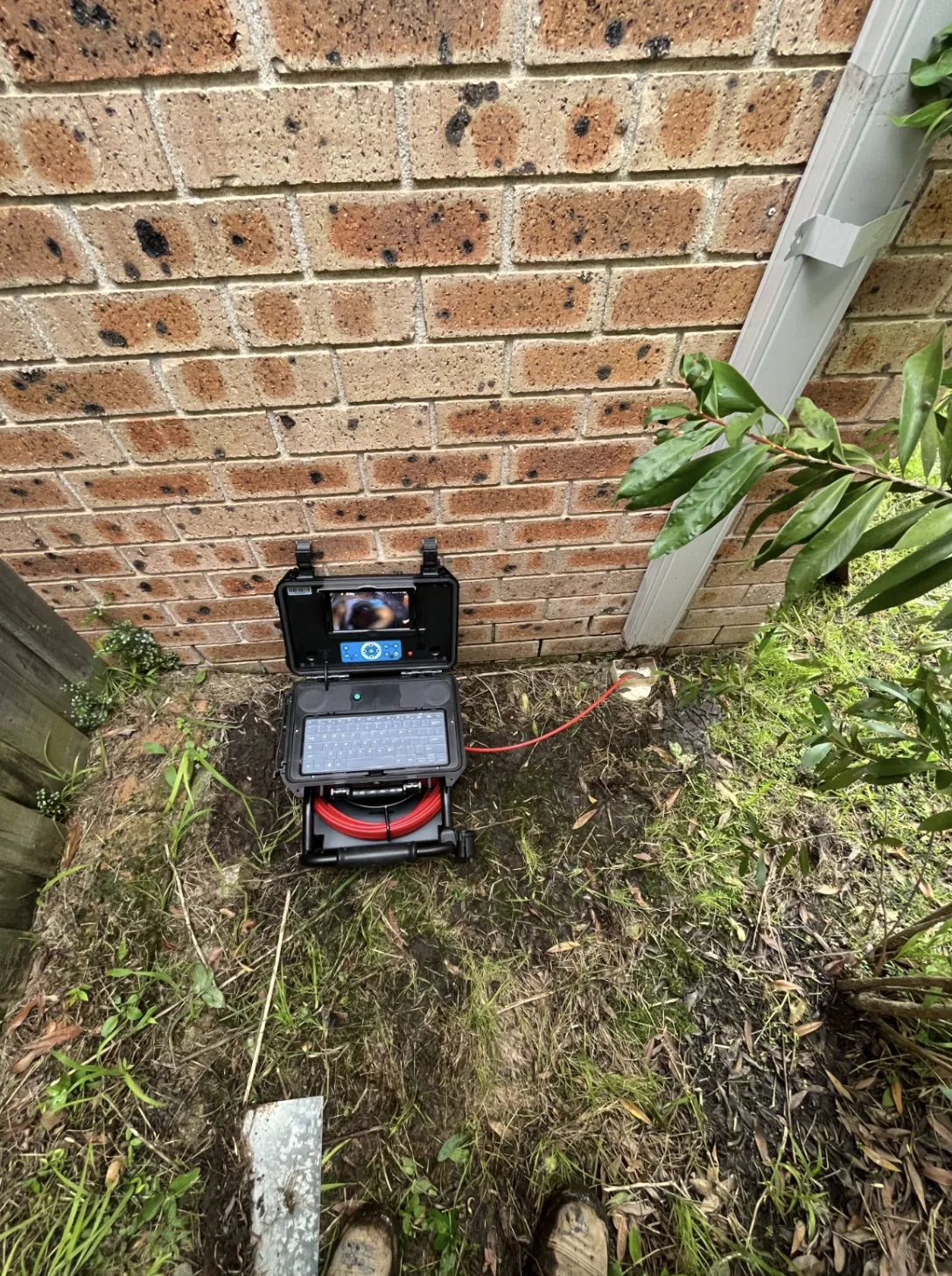
For a recurring fault, the most useful next step is often diagnosis rather than repeating the same temporary fix. For drainage this can mean CCTV drain inspection; for unexplained moisture it may mean targeted leak detection; and for an active damaging fault, use our 24/7 emergency plumbing service.
- Stormwater Drainage — useful when the symptoms point to this type of plumbing fault.
- Leak Detection — useful when the symptoms point to this type of plumbing fault.
- Blocked Drains And Roof Plumbing — useful when the symptoms point to this type of plumbing fault.
If you need a plumber in Seaforth, send the suburb, the affected fixture or area, when the problem started and whether water or sewage is actively escaping. Photos or a short video can help us decide what equipment may be useful before attendance.
Plumbing in Seaforth: what usually matters first
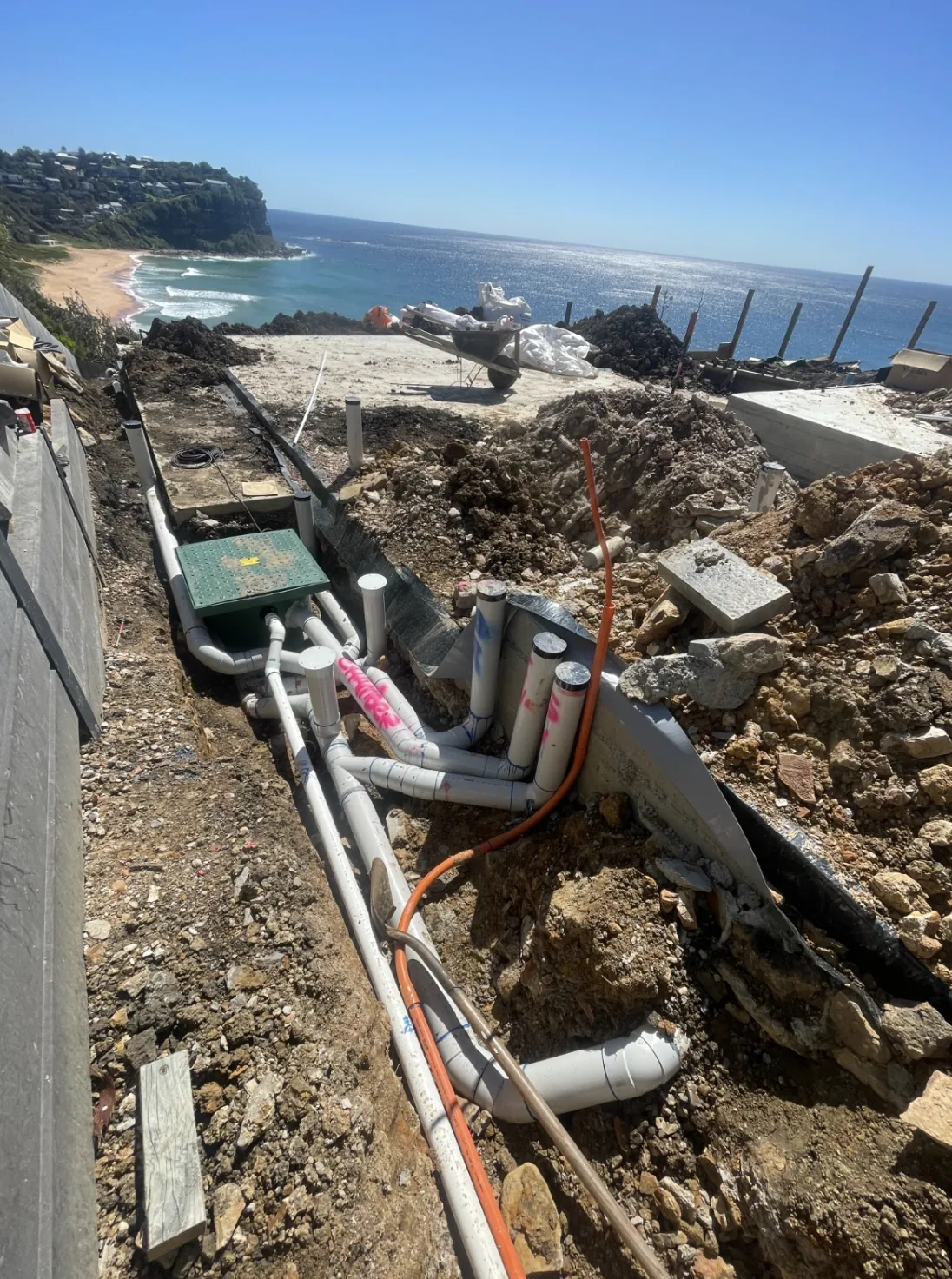
Seaforth includes harbour-side homes, sloping blocks, apartments and renovated properties. That mix changes how a plumbing fault should be approached: sloping sites can send surface water through unexpected paths, so separating stormwater entry from a plumbing leak is an important first step when moisture appears below gardens, retaining areas or lower levels. We start with the symptoms, isolate the affected service where practical, then use the least invasive diagnostic step that can answer the question.
Priority plumbing services in Seaforth
Choose the service that best matches the symptom. If you are unsure, send the problem details and we can help identify the right starting point.
How we approach plumbing faults in Seaforth
If water appears only after rain, compare stormwater drainage and roof leak detection. If the water meter or supply appears involved, start with water leak detection.
- Note whether the problem follows rain or fixture use. Rain-related timing can point toward roof or stormwater paths rather than a pressurised water leak.
- Check how many fixtures or drains are affected. Multiple affected points can indicate a shared downstream restriction.
- Inspect before major excavation. Where suitable, CCTV or targeted testing can help locate the defect before surfaces are opened.
- Match the repair to the evidence. Clearing, spot repair, relining assessment, excavation or stormwater work solve different problems.
Drainage and leak investigation in Seaforth
Properties in Seaforth can include established gardens, longer drainage runs and sloping ground. That makes source identification important when the symptom is moisture, an outdoor overflow or a blockage that returns after clearing.
Nearby service areas
See all Northern Beaches plumbing areas.
Before booking a plumber in Seaforth
- When to call an emergency plumber
- Warning signs of a blocked drain
- How to check for a hidden water leak
If the issue is urgent, do not wait for a guide: contact us now. For recurring or unclear faults, these resources can help you describe the symptoms more accurately:
Plumber Seaforth: common questions
Can you investigate recurring blocked drains in Seaforth?
Yes. If a blockage returns, CCTV or targeted investigation may help identify roots, damaged pipework or another underlying cause after the line is cleared.
Can you tell whether water is from stormwater or a plumbing leak?
Often the timing and testing help separate the sources. Rain-only symptoms point more toward roof or stormwater paths; constant supply-side clues may need leak detection.
Do you provide emergency plumbing in Seaforth?
Yes. Urgent enquiries from Seaforth can be sent 24/7, subject to plumber availability and access.
Will you excavate straight away for a blocked drain?
Not automatically. Where practical, the aim is to diagnose the location and condition first so excavation is used when the evidence supports it.